Case Study 01 · Independent Practice
The Impact Accelerator: helping coaches worldwide put AI to work in their practice
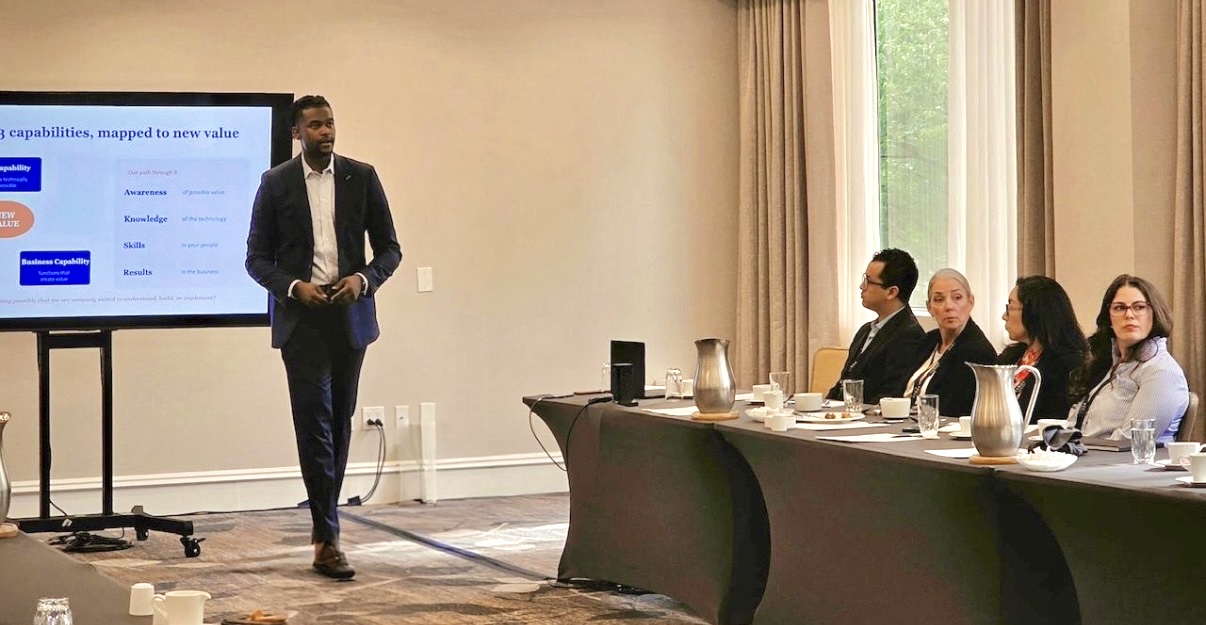
An eight-week, ICF CCE-certified program that helps independent coaches and small business owners integrate AI effectively, authentically, and responsibly, so they can grow their businesses and deepen the impact they have on clients. It is built on a core system of evidence-based frameworks and methodologies, grounded in adult learning theory and in research on the responsible integration of AI into professional practice. The design sequences awareness, knowledge, skills, and results, and weights the program toward hands-on application on participants' real work, with peer interaction and a light layer of formal instruction. Delivered outcomes from the published ROI database include Derek A. ($36,000 per year saved), Eliana G. (150+ hours per year reclaimed), Daniel P. (a leadership program planned for months, built in 3 hours), Miki F. (blog writing from over an hour to under 10 minutes), Carlye W. (15 hours per month reclaimed), and Tristan L. (a $1,000 hire avoided in week one). Fourteen case studies are published with named practitioners and attributed outcomes.
Case study library
Case Study 02 · AI Adoption
Organization-wide AI adoption at a top-25 U.S. philanthropic foundation
Working with a top-25 U.S. foundation with roughly 300 staff, CIL interviewed leaders across grants, culture, equity, strategy, and investments, mapped role-specific workflows, and ran hands-on training using employees' own work. More than 75 employees joined the largest volunteer learning session of its kind there; afterward 93.7% reported a better understanding of how to apply AI in their role, 94.1% reported greater confidence and wanted increased access, and platform usage grew 84% over six months with no mandate.
Case Study 03 · Enterprise Delivery
Modernizing a publicly traded global leadership development firm's coaching practice
After its largest-ever coaching contract, a $6,000,000 engagement with a U.S. federal agency, exposed the limits of a decade-old portal, a custom coaching engagement platform was designed and shipped in a 5-week sprint, built inside the client's own environment so their data stayed in their systems. Coach matching went from a four-week manual scramble to one week, fully automated. In the first 30 days: 174 engagements managed across 8 cohorts with zero matching errors, 76% self-service coach selection, a 4.6/5 engagement score, and roughly 650 administrative hours per year returned, the equivalent of 16 FTE weeks.
Case Study 04 · Research-Grade Operations
Building and running the complete coaching operation for Project BEACON at Rutgers University
CIL vetted 300+ coach applicants into a credentialed team and built onboarding, agreements, a coaching handbook, intelligent matching, quality assurance, session reporting, and continuous data analysis under IRB-grade data controls. Across three program cycles, about 275 hours saved annually at roughly 15% higher margin, and two years of statistically significant self-efficacy gains now heading to peer review.
Case Study 05 · Methodology to Product
POWER, proven with students, then codified into PowerPath
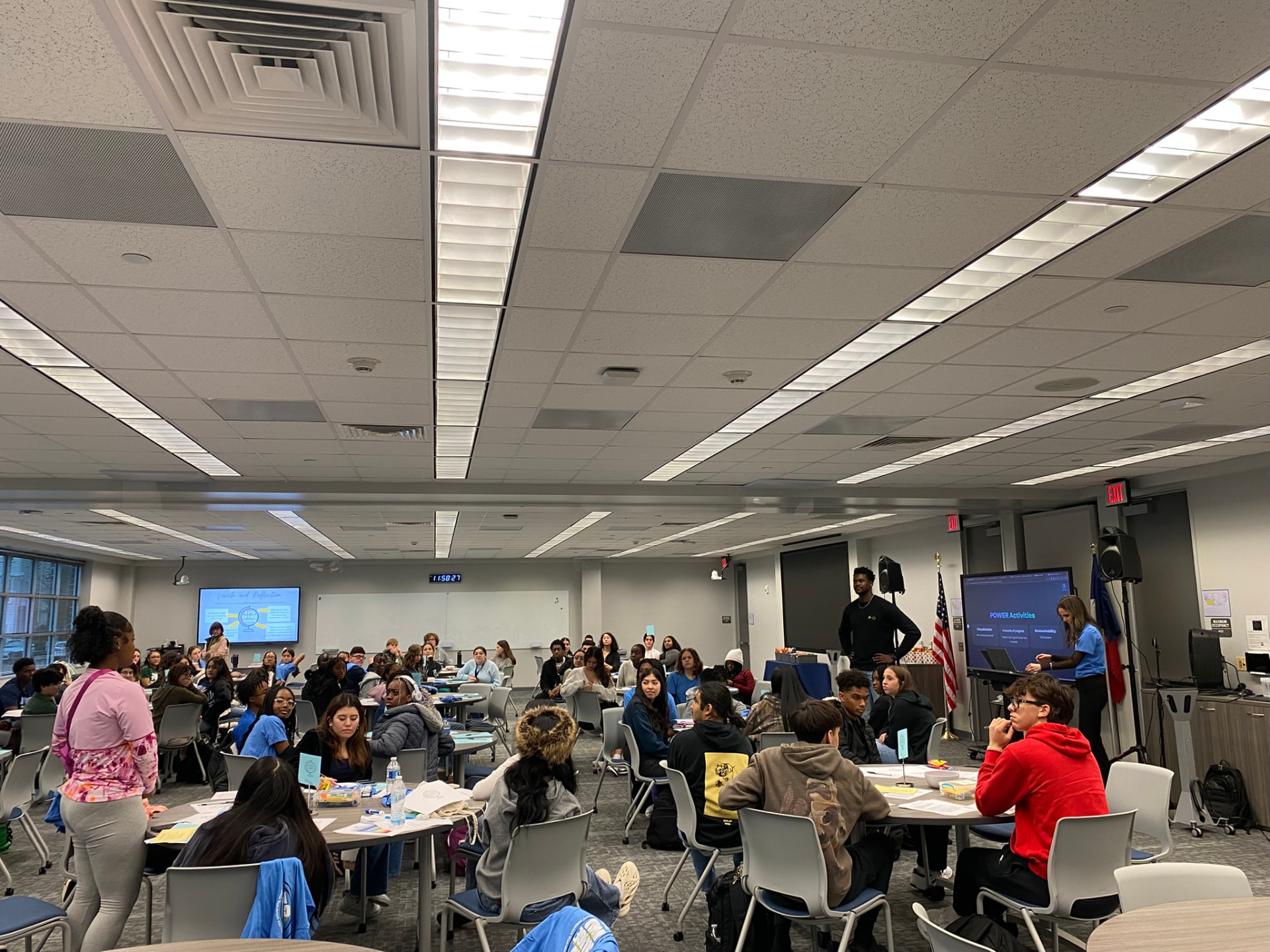
POWER is the evidence-based coaching model developed at EPOG Academy for building agency and adaptability in adolescents. A Fall 2021 study with freshmen and sophomores at YES Prep found significant student growth on six of the ten validated scales used, covering goal orientation (Malouff et al., 1990), knowledge of strengths (Govindji & Linley, 2007), hope (Snyder, 1996), sense of purpose and adjusting to stress (Chen et al., 2015), and personal growth initiative (Robitschek, 1999), with evidence of positive behavior change inside and outside the classroom. With the model proven, it was codified into PowerPath, a native voice-and-text AI coaching app that delivers POWER at scale. The pilot spanned six school campuses and a student innovation lab, with legal review of AI and student-data practices and independent PhD-led evaluation. Students valued the judgment-free space, meaningful sessions averaged about 24 minutes, and a voice-interaction experiment outperformed text engagement 4x. Findings were published with Rice University researchers at ASEE 2025.
Client names are withheld where engagements are confidential. Every figure is documented; source files available on request.